

The Guinness World Records claims that the most replicated image of an individual in the world is “Guerrillero Heróico”—a photograph of Che Guevara by Cuban photographer Korda (Alberto Díaz Gutiérrez, 1928-2001).
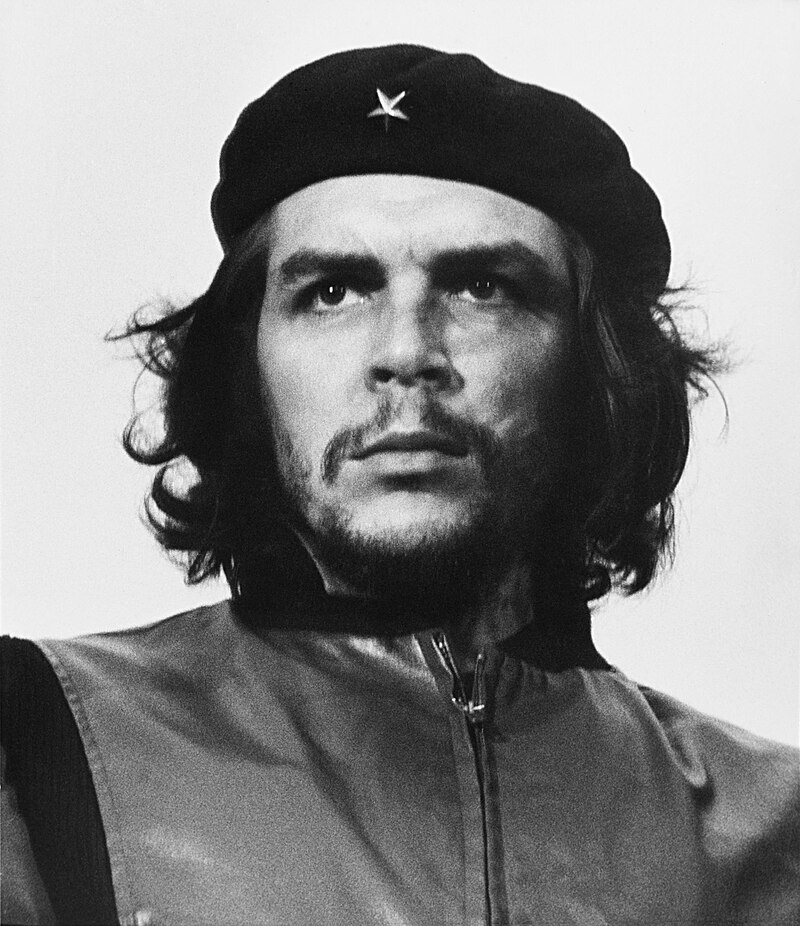
The classic masterpiece—instantly recognizable worldwide—made Korda a legend among photographers. In fact, he’s probably the only Cuban photographer of true international renown.
Although following the Cuban Revolution Korda became one of Fidel Castro’s official photographers, few people know that before the Revolution he specialized in social event and fashion photography, motivated—says his daughter, Diana Díaz—principally “by his satisfaction of meeting beautiful women.” This included a passion for nude photography, as profiled in the coffee-table book La seducción de la mirada (The Allure of a Gaze; Ediciones Polimita, 2014), a study of 175 years of nude photography in Cuba from 1840 to 2013, by Rafael Acosta de Arriba, director of Cuba’s Instituto Superior de Arte (ISA).
Korda’s first such shoots were of his fiancée Yolanda and, after 1953, of his first wife, Julia. In 1954, he opened a studio with his partner photographer, Luis Pierce, and in 1956 relocated it as Studio Korda to a modern building opposite the Hotel Capri in the heart of Vedado.
Korda soon rose to fame. Influenced by acclaimed North American photographer Richard Avedon (known for his avant-garde nude photography), Korda was soon photographing Cuba’s most beautiful women and rose to become Cuba’s foremost fashion photographer. (His second wife, Natalia ‘Norka’ Menéndez, was a top fashion model.)
“He used locations that were unusual for the era,” claims Díaz. “His use of a cemetery as a location in those days was rare to say the least.” So, too, derelict buildings. All shot using natural light.
After the Revolution, in 1959, fashion and publicity shoots were frowned on as being bourgeois. Korda thereby adapted his passion for photographing beautiful women by showing them in revolutionary contexts, such as sugarcane harvests, political parades, and as female militia marching.
Inevitably, however, Korda couldn’t resist celebrating the bare female form. So he photographed a mulata (mixed-race) militia woman in fatigues, but naked from the waist up and with a submachine-gun between her breasts.
The image—La vida y la muerte (Life and death)—was considered too daring in the new revolutionary context.
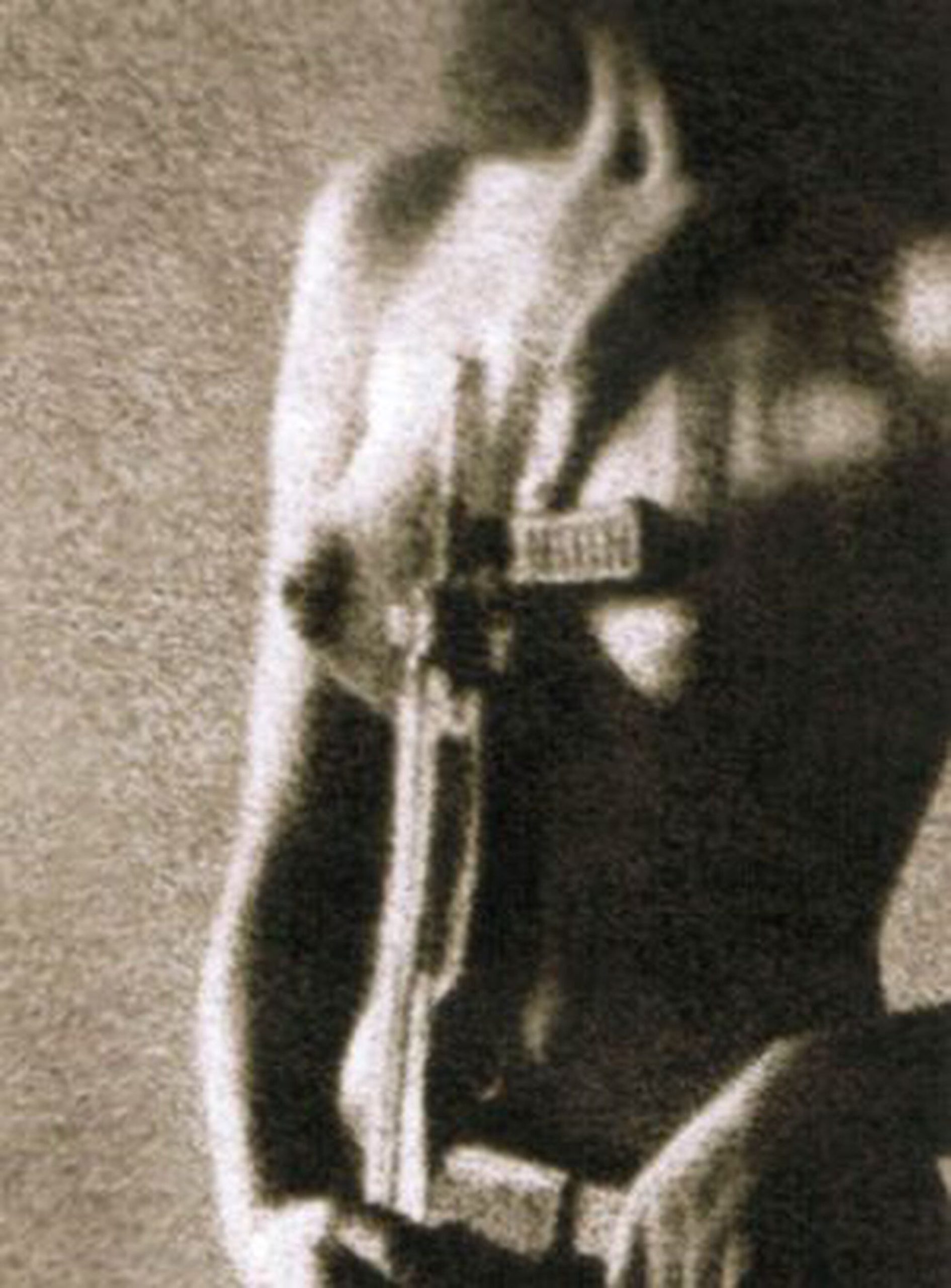
Korda apparently got into trouble with the new Cuban regime after he gifted a copy to the Soviet poet Yevgeny Yevtushenko, according to Guillermo Cabrera Infante (then editor of the literary magazine Lunes de Revolución). The image didn’t go down well with the Soviet Embassy in Havana, while Korda was also criticized when the magazine Carteles published some of his nudes.
After a decade in which he accompanied Fidel as a photographer for the Cuban newspaper Revolución, Korda fell from grace. In 1968, the authorities closed his studio and took possession as custodian of all his images, including negatives and contact sheets of his entire work to date. The originals of “Korda’s militawoman” were lost. To reproduce it in La seducción de la mirada, Acosta managed to enlarge a still photograph he found of the inside of Korda’s studio.
Fortunately, today Cuba has come full circle. The government is far more relaxed. Dozens of contemporary Cuban photographers–many of them female–specialize in nude photography, including risqué avant-garde works that would make Richard Avedon or Korda blush.
My own work for my forthcoming Sensual Havana: A Celebration of Female Beauty coffee-table book has garnered approval of Havana’s state-run Instituto Superior de Artes, which even offers courses in nude photography. Dozens of Cuba models regularly pose nude, including well-known actresses, and even ballerinas of the acclaimed Ballet Nactional de Cuba. And several Cuban photographers have partnered with international photo tour companies to offer nude photo workshops in Cuba.
Join me in December, 2024, for a one-week ‘Sensual Havana’ nude photo tour inspired by Korda’s adoration of female beauty, and his creative use of the cemetery, derelict buildings, and other iconic spaces, using natural light. Click here for complete details.


